Selling a Vacant House in Ontario
Built to protect your equity
An empty house is easy to show, but it brings its own risks: insurance conditions, frozen pipes, security and rooms that look smaller than they are. Here is how to protect the property and present it well.
Why sellers choose Amir
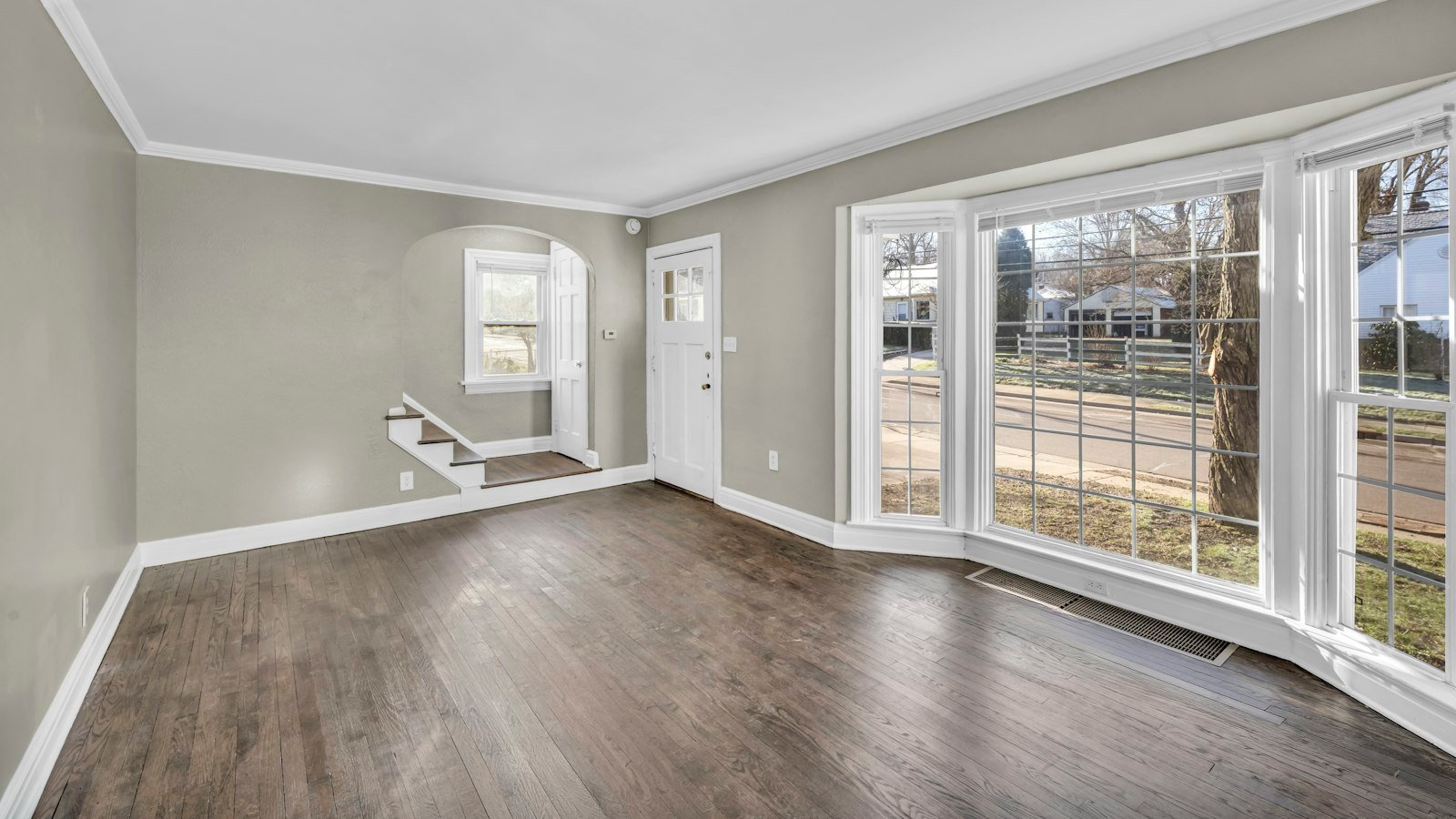
Houses end up vacant for many reasons: the owners have already moved, a parent has moved into care, an estate is being settled, or a tenant has left. A vacant house is easy to show at short notice, and buyers can picture their own furniture. But it also brings risks that an occupied home does not, and an empty room can photograph and show poorly. A little planning handles both.
Step 1: Call your insurer before the house is empty
This is the step most often missed, and it can be the most expensive. Many home insurance policies include vacancy or unoccupancy conditions. In general terms, if the home is left empty beyond a period set in the policy, some coverage — such as water damage from frozen pipes, or vandalism — may be limited or excluded unless you have arranged otherwise. Some policies also require someone to check the home regularly while it is empty, particularly in the heating season.
Policies vary, so do not rely on general rules. Call your insurer or broker, tell them the home will be vacant and for sale, and ask:
- How long can the home be empty before coverage changes?
- Do I need a vacancy permit, endorsement or a different policy?
- How often must someone check the home, and do the checks need to be logged?
- Are there conditions about keeping the heat on or shutting off the water?
Get the answers in writing if you can. If you are acting for an estate, our guide to selling an estate home in Ontario covers the other steps.
Step 2: Keep utilities on
A home for sale needs working utilities. Buyers expect lights, heat and running water during showings, and inspectors and appraisers need them to do their jobs. Keep these on until closing:
- Heat — set to a steady temperature through the colder months to protect pipes; your insurer may specify a minimum
- Hydro — for lighting, the furnace and any sump pump
- Water — needed for showings and inspections. Ask your insurer and a plumber whether shutting off the main between visits is advisable for your home, and how to do it safely
- Internet — optional, but useful if you install cameras or smart thermostats
Watch for anything that depends on power, such as a sump pump. A power outage in an empty house can lead to flooding that nobody notices for days.
Step 3: Security and regular checks
Empty homes can attract trespassers and thieves. Make the house look lived-in and keep an eye on it:
- Arrange regular inspections by you, a family member, a neighbour or a property-check service, and keep a simple log
- Put interior and exterior lights on timers
- Forward the mail and stop deliveries; a pile of flyers is an obvious sign of vacancy
- Keep the lawn cut in summer and the snow cleared in winter
- Consider a monitored alarm, a video doorbell or cameras (respecting privacy rules)
- Use a secure lockbox for agent access and keep a record of who has the code
- Tell trusted neighbours the home is for sale and ask them to report anything unusual
Step 4: Protect the house through the seasons
In winter, frozen and burst pipes are the main danger. Keep the heat on, open cabinet doors under sinks on outside walls during very cold spells, disconnect garden hoses and shut off outside taps. Clear snow from paths, vents and the furnace exhaust. In spring, check the basement and sump pump after heavy rain. In summer, keep the grass and garden tidy so the home does not look abandoned.
Step 5: Make an empty house look its best
An empty room can be hard to read. Buyers struggle to judge size, and every scuff, echo and uneven wall stands out. Options, from lightest to fullest:
- Clean and repair. A deep clean, fresh neutral paint, patched holes from removed pictures and working lights make the biggest difference.
- Partial staging. Furnish the key rooms — living room, primary bedroom, kitchen or dining area — so buyers can see scale and layout.
- Full staging. Furnish the whole home, usually through a professional stager, for a magazine-style presentation.
- Virtual staging. Digitally furnished photos can help online, but they must be clearly labelled as virtually staged, and the room should not be altered in a misleading way. Always include the real empty photos as well.
Our home staging page explains how staging is planned and what it involves.
Disclosure and condition
An empty home still has to be described honestly. If you are not living there, especially if you are an estate trustee who never lived in it, you may know less about its history, and your lawyer can advise on how to word what you do and do not know. If something happens while the home is vacant, such as a leak or a break-in, tell your agent and lawyer straight away: it may need to be disclosed or repaired, and it may affect a deal that is already in place.
Step 6: Plan showings and the closing
Vacant homes are easy to show, which is an advantage. Make sure the home is clean before each showing day, the temperature is comfortable, and the lights are on. Before closing, arrange a final cleaning, remove any staging furniture on time, and confirm that utilities will be transferred to the buyer. If you have moved away, your agent and lawyer can handle most steps remotely, including signing documents.
If you are carrying two homes, our guide to selling first or buying first may help you plan the next one. Amir Rehmani lists vacant homes at a 1% listing-side commission with full service, including coordinating checks, staging and access when you are not nearby.
Frequently asked questions
Does home insurance cover a vacant house in Ontario?
It depends on your policy. Many policies have vacancy or unoccupancy conditions that can limit coverage after a set period or require regular checks. Call your insurer before the home becomes vacant.
Should I turn off the utilities in a vacant house for sale?
Keep heat and hydro on, and generally water too, since buyers, inspectors and appraisers need them. Ask your insurer and a plumber whether shutting off the water main between visits suits your home.
Is it better to stage an empty house?
Often, yes. Staging key rooms helps buyers understand size and layout. A deep clean, fresh paint and good lighting are the minimum; virtual staging must be clearly labelled.
How often should someone check a vacant house?
Your insurance policy may set the frequency, especially in the heating season. Ask your insurer, and keep a simple log of each visit.
Protect it, then present it.
Tell us about the property and when it will be empty, and we will help you plan checks, staging and showings — including if you have already moved away.
Local expertise
Explore the Communities. Understand the Market.




Your next chapter begins here
Your Property Deserves a More Considered Approach.
Know its market position. Understand your options. Plan your next move.
Request Your Free Home Evaluation