Who Pays Realtor Fees in Ontario? Buyer vs Seller (2026)
Built to protect your equity
Who pays realtor fees in Ontario in 2026: why the seller usually pays both agents, when a buyer can owe a shortfall under TRESA, and what each side pays on a GTA home with HST.
Why sellers choose Amir
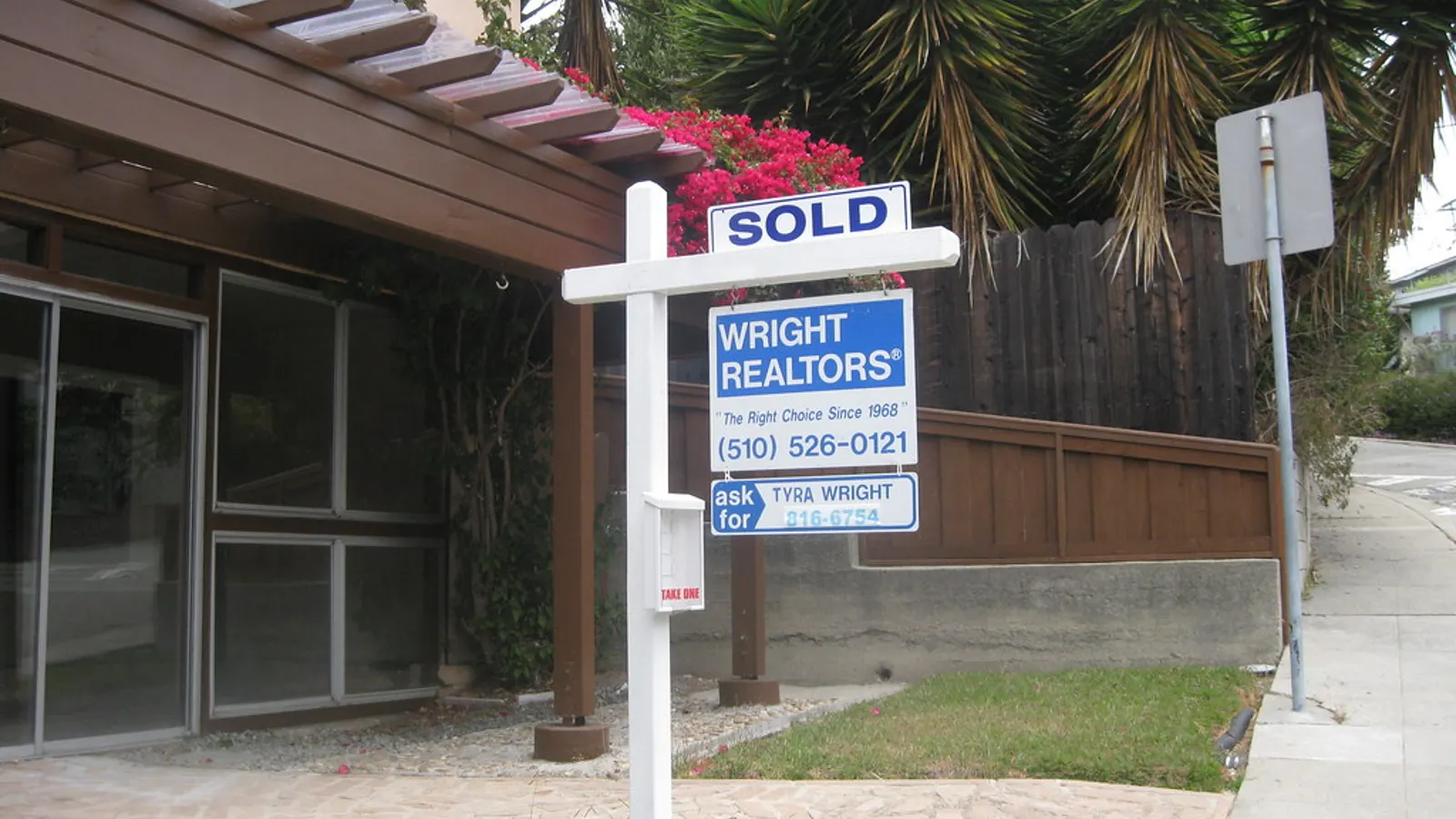
In Ontario, the seller usually pays realtor fees for both sides. That covers the listing brokerage’s commission and the amount offered to the buyer’s brokerage, both paid as a closing cost out of the sale proceeds. But since December 1, 2023, a buyer’s agreement must spell out their brokerage’s fee. If the seller offers less, the buyer may owe the difference.
Key takeaways
- Sellers normally pay both brokerages from the sale proceeds at closing.
- Buyers are legally responsible for their own brokerage’s fee. The seller’s offer usually covers it, but not always.
- No law, regulator or real estate board sets the commission rate. Everything is negotiated.
- HST at Ontario’s 13% rate is added on top of the commission.
- Read the fee, shortfall and holdover clauses before you sign anything.
Who pays realtor fees in Ontario: the seller or the buyer?
In a typical Ontario resale, the seller signs a listing agreement that sets the total fee. That fee includes an amount offered to whichever brokerage brings the buyer. On closing, the seller’s lawyer pays both brokerages out of the sale proceeds, which is why RECO lists real estate commissions among sellers’ closing costs. From the buyer’s side, it feels like the agent works for free.
That’s where most articles stop, and it’s only half the answer. RECO is clear that the buyer client is the party responsible for the fees owed to their own brokerage. The seller’s offer is a way of covering that bill, not a promise that it will always be covered in full. For a full breakdown of how the total commission is split, see our guide to how real estate commission works in Ontario.
What changed under TRESA in December 2023?
Ontario’s Trust in Real Estate Services Act, 2002 (TRESA) replaced the old rules on December 1, 2023. Under the general regulation, a brokerage’s written agreement with a buyer or seller must clearly set out the method for determining the brokerage’s fee, how it is paid, when it can change, and whether other brokerages may be paid. The expiry date must appear on the first page, and the client must initial it.
In practice, buyers now see their agent’s fee in writing before they make an offer. RECO says that agreement should state what happens if the seller’s offer is less than the amount owed. Either the buyer pays the shortfall, or the brokerage accepts the seller’s amount as payment in full. It should also say what happens if the seller offers more.
When can a buyer end up paying?
- The seller offers less than the buyer agreed to pay. This is the most common case, and it’s covered in the worked example below.
- The seller offers nothing. This often happens with private (for-sale-by-owner) sales. RECO warns that a seller might not offer any amount to cover the fees you owe to your brokerage.
- A holdover clause applies. RECO notes that a holdover clause could mean you owe money even after the agreement expires, for example if you later buy a home your agent showed you.
A buyer facing a gap can ask the seller to cover it. RECO describes a remuneration clause in the agreement of purchase and sale that creates an agreement between the buyer and seller for the seller to pay an amount toward the buyer’s brokerage fees. It is not a cash-back clause.
What do realtor fees cost on a GTA home right now?
The GTA average selling price was $1,024,108 in October 2026, down 2.7% from a year earlier, according to TRREB. Nationally, CREA reported an average price of $678,584 for the same month. The table applies three example total commission rates to both prices and adds Ontario’s 13% HST. The rates are illustrations, not standard fees: commission is not fixed or approved by RECO, any government or any real estate board.
| Total commission (both sides) | National average: $678,584 | GTA average: $1,024,108 |
|---|---|---|
| 5% + 13% HST | $33,929.20 + $4,410.80 = $38,340.00 | $51,205.40 + $6,656.70 = $57,862.10 |
| 4% + 13% HST | $27,143.36 + $3,528.64 = $30,672.00 | $40,964.32 + $5,325.36 = $46,289.68 |
| 3.5% (e.g. 1% listing + 2.5% buyer side) + 13% HST | $23,750.44 + $3,087.56 = $26,838.00 | $35,843.78 + $4,659.69 = $40,503.47 |
On an average GTA sale, the gap between a 5% total and a 3.5% total is $17,358.63 after HST. That money stays in the seller’s pocket. If you’re weighing a lower listing fee, read our honest take on whether a 1% realtor is worth it in Mississauga.
Worked example: the buyer shortfall
Say a buyer’s agreement promises their brokerage 2.5% of the price. They buy a home at the October 2026 GTA average of $1,024,108, but the seller is only offering 2% to the buyer’s brokerage.
- Owed under the buyer agreement (2.5%): $25,602.70
- Offered by the seller (2%): $20,482.16
- Shortfall: $5,120.54
- HST at 13%: $665.67
- Potential buyer cost: $5,786.21
Whether the buyer actually pays that depends on the shortfall clause in their agreement, which RECO says should address exactly this situation. The buyer has three options: negotiate a lower rate up front, agree that the brokerage will accept whatever the seller offers, or ask the seller to cover the gap in the offer. Add any shortfall to your budget alongside the other items on our closing costs checklist for Ontario buyers.
Who pays what on an Ontario resale?
| Cost | Usually paid by | Notes |
|---|---|---|
| Listing brokerage commission | Seller | Set in the listing agreement; paid from sale proceeds at closing. |
| Buyer’s brokerage fee | Seller (through the amount offered) | The buyer is ultimately responsible under their agreement. |
| Shortfall if the seller offers less | Buyer, unless the agreement or offer says otherwise | Check the shortfall clause in your buyer agreement. |
| HST on commission (13%) | Whoever pays that commission | Added on top of the agreed rate. |
| Land transfer tax | Buyer | See Ontario land transfer tax rates and rebates. |
Does the commission offered affect which homes a buyer sees?
It shouldn’t. RECO has warned about agents steering buyer clients toward listings where sellers offer higher commissions, and says the practice breaches TRESA. If you’re a seller, offering a fair buyer-side amount is a pricing decision, not a way to buy showings. If you’re a buyer, ask your agent to show you every home that fits your criteria, whatever the listing offers.
The same agent or brokerage can represent both sides only with consent. RECO says multiple representation is not permitted unless each client agrees, and any change to what you pay must be disclosed in writing.
Checklist before you sign
Sellers
- Confirm the total fee, how it’s split between the two brokerages, and whether HST is included.
- Check the expiry date on page one and the holdover period.
- Ask what changes if one brokerage represents both sides.
- Ask for an estimate of your net proceeds after commission, HST and your mortgage payout. Our guide to selling with a mortgage in Ontario covers payout penalties.
Buyers
- Find the exact fee you’ve agreed to pay, written as a percentage or a flat amount.
- Read the shortfall and surplus clauses.
- Check the holdover clause and the expiry date.
- Before you offer, ask what the seller is offering to your brokerage and work out any gap.
FAQ
Do buyers ever pay realtor fees in Ontario?
Sometimes. The buyer is responsible for their own brokerage’s fee and can owe a shortfall if the seller’s offer is lower, depending on their agreement. RECO also notes that a seller might not offer anything at all.
Is HST charged on realtor commission in Ontario?
Yes. HST is added at Ontario’s 13% rate on top of the agreed commission, so a 4% fee really costs 4.52% of the price.
Is realtor commission negotiable in Ontario?
Yes. RECO says you and the brokerage decide the amount, and it is not fixed by RECO, government or any real estate board.
When is the commission paid?
On closing. The seller’s lawyer pays the brokerages from the sale proceeds, and the commission appears on the seller’s closing costs.
Want to know what you’d pay?
If you’re selling in Mississauga, Brampton or Ajax and want to know what you’d actually keep, talk to Amir Rehmani. He’ll walk you through the fee, the buyer-side offer and your net proceeds before you sign anything.
Know who pays what before you sign.
Tell us about your move and we will walk you through the commission, HST and any buyer shortfall for your deal, with no obligation.
Local expertise
Explore the Communities. Understand the Market.



Your next chapter begins here
Your Property Deserves a More Considered Approach.
Know its market position. Understand your options. Plan your next move.
Request Your Free Home Evaluation