Downsizing in Mississauga: From Family Home to Condo
Built to protect your equity
Moving from the house you raised a family in to a condo is a financial decision, a lifestyle decision and an emotional one. Here is how to approach all three in the right order.
Why sellers choose Amir

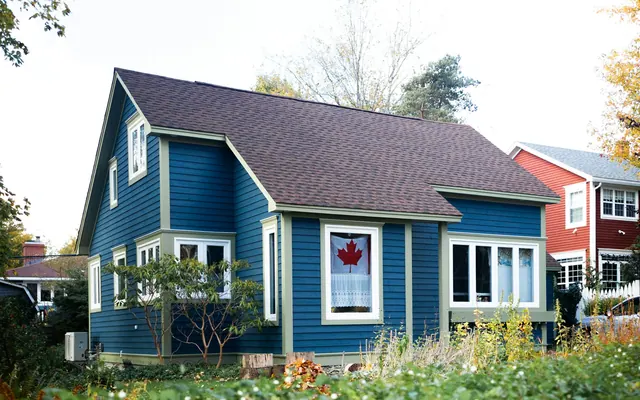
For many Mississauga homeowners, the house that made sense with children at home now has empty bedrooms, stairs that feel steeper every year, a lawn and a roof to look after, and a lot of equity tied up in it. A condo can offer less maintenance, a lock-and-leave lifestyle, and amenities close by. But downsizing works best when it is planned, not rushed — and when the condo you choose genuinely fits the way you want to live.
Step 1: Be clear on why you are moving
Write down what you want more of and less of. Common answers include:
- Less maintenance and fewer stairs
- Being closer to family, shops, health care or transit
- Freeing up equity for retirement, travel or helping children
- More security when you travel
- A community of neighbours and amenities
Your list will shape which building and which part of Mississauga suits you. If your plan involves family helping with the move or the decision, involve them early. Our seniors real estate page explains how we work with older homeowners and their families.
Step 2: Choose the area — Port Credit vs City Centre, and beyond
Two parts of Mississauga come up most often for downsizers, and they offer quite different lifestyles.
Port Credit and the lakeshore
A walkable lakeside village feel, with the waterfront, parks and trails, local shops and restaurants, and the Port Credit GO station on the Lakeshore West line. Buildings range from older mid-rise to newer towers. It suits people who want a neighbourhood atmosphere and the lake close by.
City Centre (Square One area)
A high-rise urban core around Square One, with major shopping, the Living Arts Centre, Celebration Square, the library and the city’s main bus terminal, and the Hazel McCallion Line LRT along Hurontario Street (check its current service status). It suits people who want everything close by and are comfortable with a busier, taller setting.
Other areas — Erin Mills, Meadowvale, Streetsville and Lakeview among them — also have condo and townhouse options, and staying close to your current neighbourhood may matter more than any list of amenities. Our Mississauga condo and townhouse buildings guide is a good starting point.
Step 3: Choose the building carefully
With a condo, you are buying into a corporation as well as a unit. Before you commit, look at:
- Maintenance fees — what they include (heat, hydro, water, parking, locker) and how they have changed
- The status certificate — the corporation’s financial and legal snapshot, including the reserve fund, any special assessments and any lawsuits. Make your offer conditional on your lawyer reviewing it.
- Rules — pets, renovations, short-term rentals, move-in procedures, guest parking
- Accessibility — elevators, step-free entrances, hallway widths, nearby parking for visitors
- Management and upkeep — how the lobby, halls and amenities are looked after tells you a lot
- Unit layout — room for furniture you are keeping, storage, laundry, natural light, noise
If you have only owned a freehold house, our article on freehold vs condo ownership explains how the responsibilities differ.
Step 4: Time the two moves
Downsizers usually have more flexibility than younger buyers, because they often have significant equity and no mortgage or a small one. Still, you need a plan:
- Sell first if you need the proceeds to buy, or want certainty about your budget. You may need a longer closing or short-term rental.
- Buy first if you have found the right unit and can carry both, possibly with a line of credit or bridge financing.
- Coordinate closings so that the sale closes on or shortly before the purchase, giving you a day or two of overlap for the move.
Our guide to whether to sell first or buy first goes through the risks of each order.
Step 5: Declutter — start earlier than you think
Moving from a house to a condo usually means letting go of a lot. This is often the hardest part, especially after decades in one home. Practical ways to make it easier:
- Measure the new unit (or a similar one) and plan which furniture fits
- Give family members time to choose items of sentimental value
- Go room by room, starting with the least emotional spaces — the garage, basement storage, spare rooms
- Arrange donation pickups, consignment for good furniture, and junk removal for the rest
- Consider a professional organiser or a move manager who works with downsizers
Decluttering also helps the sale. A lighter, emptier house photographs and shows better.
Questions to ask on a building tour
- When were the elevators, roof and windows last replaced, and is major work planned?
- Have maintenance fees gone up recently, and was there a special assessment?
- How is the building managed: on-site staff, a management company, or self-managed?
- Are there restrictions on renovations, such as flooring changes, that would affect your plans?
- What are the rules for moving in: elevator bookings, deposits, permitted hours?
- How is guest parking handled when family visits?
- Is there a waiting list for extra parking or lockers?
Some of these answers come from the status certificate; others come from the property manager or from talking to residents. Visit at different times of day if you can, including an evening and a weekend.
Step 6: Plan the money
Downsizing frees up equity, but plan for both sets of costs: commission and legal fees on the sale, land transfer tax and legal fees on the purchase, moving costs, and ongoing condo fees. Speak to your financial advisor about how the proceeds fit your retirement plans. Listing your house at a 1% listing-side commission with Amir Rehmani keeps more of that equity with you.
Not ready to buy yet? Some downsizers try condo life first, and our guide to renting a condo in Mississauga with a realtor covers costs, deposits and rent-control rules.
Before you list, read our guide to choosing a retirement realtor, which includes a full cost breakdown for a Mississauga house-to-condo move.
Frequently asked questions
Is it better to downsize to a condo in Port Credit or City Centre?
It depends on lifestyle. Port Credit offers a lakeside village feel and GO train access; City Centre offers a high-rise urban setting close to Square One and major services. Visit both at different times of day.
What should I check before buying a condo to downsize?
Maintenance fees and what they include, the status certificate (reserve fund, special assessments, legal issues), building rules, accessibility and the unit layout. Have your lawyer review the status certificate.
Should I sell my house before buying a condo?
It depends on whether you need the sale proceeds and how much risk you can carry. Many downsizers coordinate closing dates so the sale closes just before the purchase.
How far ahead should I start decluttering?
As early as you can, ideally months before listing. Start with storage areas and spare rooms, and give family time to choose items they want to keep.
Plan both moves together.
Tell us about your home and the kind of place you would like next, and we will help you plan the sale, the purchase and the timing between them.
Local expertise
Explore the Communities. Understand the Market.








Your next chapter begins here
Your Property Deserves a More Considered Approach.
Know its market position. Understand your options. Plan your next move.
Request Your Free Home Evaluation