Freehold Townhomes in the GTA: Costs, POTLs and Checks
Built to protect your equity
What freehold really means for a townhome, how POTL fees work, October 2026 GTA townhouse prices, a worked $900K cash-to-close example, and the checks to make before you firm up.
Why sellers choose Amir
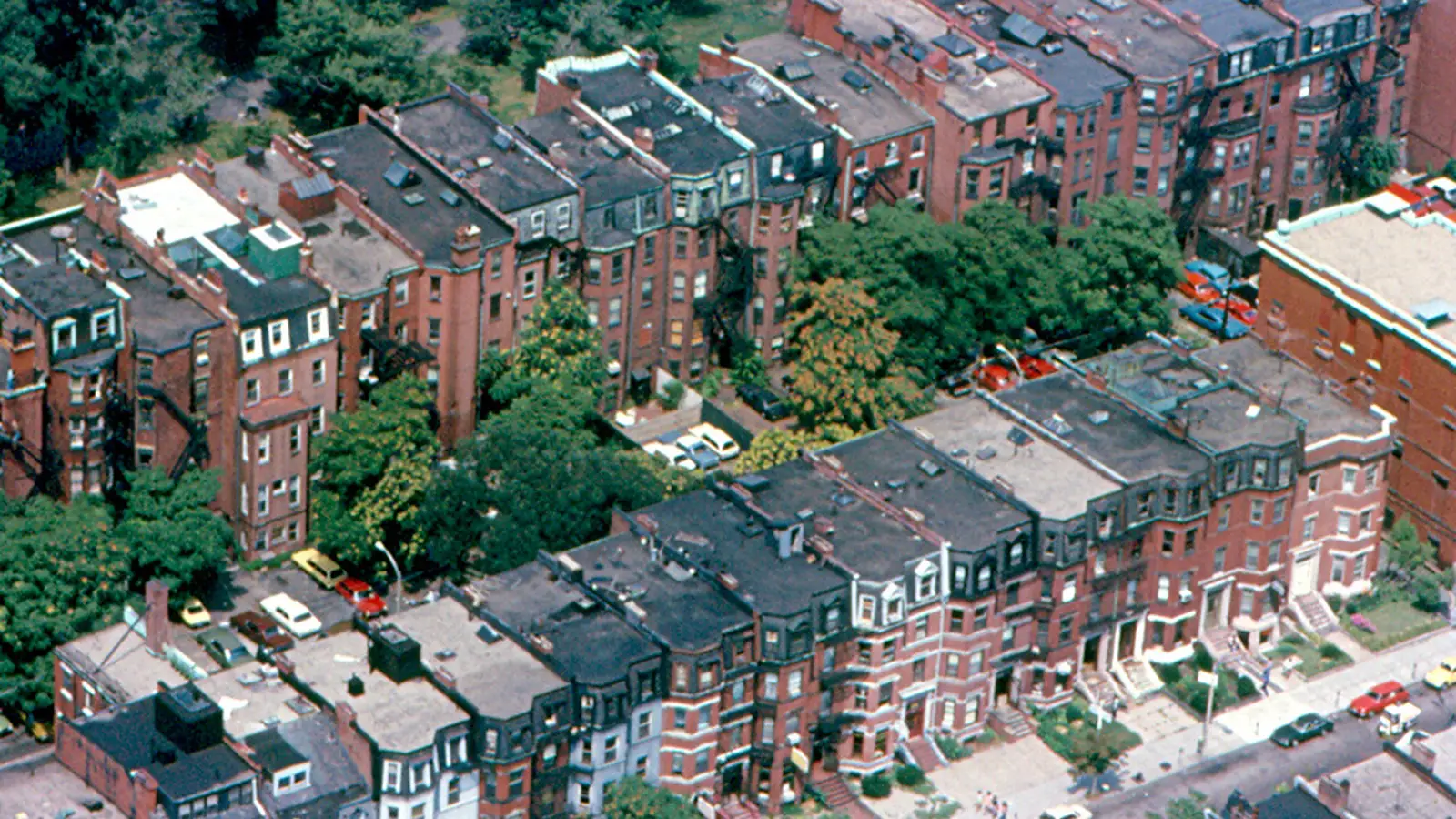
A freehold townhome is an attached house where you own both the building and the land under it. Nobody else holds title to your exterior, roof or lot, and there is no condo corporation and no monthly condo fee. The one exception to watch for in the GTA is the POTL freehold, which carries a small monthly fee for shared roads or amenities.
Key takeaways
- Freehold means you own the land and the structure, and you pay for your own roof, windows, driveway and snow removal.
- A “POTL” freehold still gives you land title, but it is tied to a common elements condominium, so it comes with a monthly fee and some rules.
- On a $900,000 townhome outside Toronto, Ontario land transfer tax works out to $14,475 before any first-time buyer refund (worked example below).
- As of October 2026, the TRREB townhouse benchmark price is $662,200, down 6.64% from a year earlier. That gives buyers more room to negotiate than they had a few years ago.
- Before you firm up an offer, check the survey, the party wall, the title for easements, and (for POTLs) the status certificate.
What does “freehold” actually mean for a townhome?
In Ontario, “freehold” describes how you own a property, not what it looks like. A freehold townhome sits on its own registered lot. You hold title to the land and everything on it, so the exterior walls, roof, front yard, backyard and usually the driveway are yours. They are also yours to maintain. You share one or two walls (the party walls) with your neighbours, but you don’t share ownership of them with a corporation.
A condo townhouse can look exactly the same from the street. The difference is that in a condo you own a unit, and the land, roofs, exteriors and often the windows are common elements that a condo corporation owns and manages. If you want the full ownership comparison, our guide on freehold vs condo ownership explains it in detail. This post focuses on buying the townhome itself.
Freehold vs POTL vs condo townhouse at a glance
| Freehold townhome | POTL freehold townhome | Condo townhouse | |
|---|---|---|---|
| You own the land | Yes | Yes (your parcel) | No (you own a unit) |
| Monthly fee | None | Yes, usually covers a shared road, visitor parking, snow clearing or a parkette | Yes, usually covers exterior, roof, grounds, reserve fund |
| Who fixes the roof | You | You (unless the declaration says otherwise) | Corporation, paid from fees and reserve fund |
| Rules on exterior changes | Municipal bylaws only | Bylaws plus the corporation’s declaration and rules | Bylaws plus condo declaration, rules and board approval |
| Key document before you firm up | Survey and title search | Survey, title search and status certificate | Status certificate |
What is a POTL townhome, and why does it matter?
Many newer subdivisions in Mississauga, Brampton, Ajax and Whitby are built as POTLs: parcels of tied land. Under Ontario’s Condominium Act, 1998, a common elements condominium has no units at all. Instead, each owner’s freehold lot is “tied” to a share of the shared property, such as a private laneway, mailbox area or visitor parking. You own your house and lot outright, but your share in the common elements can’t be sold separately from your home, and you must pay the common expense fee.
That’s a sound structure. It just isn’t the “zero fees, zero rules” freehold some listings imply. When a listing says “freehold” and also mentions a monthly fee, it’s almost certainly a POTL. Ask for the status certificate and read the budget, the reserve fund and any rules on parking, rentals or exterior changes before you firm up.
A quick way to weigh the fee is to annualize it. Every $100 a month is $1,200 a year and $12,000 over ten years. Compare that with what you would otherwise pay yourself for snow clearing and road upkeep, and with what the fee actually covers.
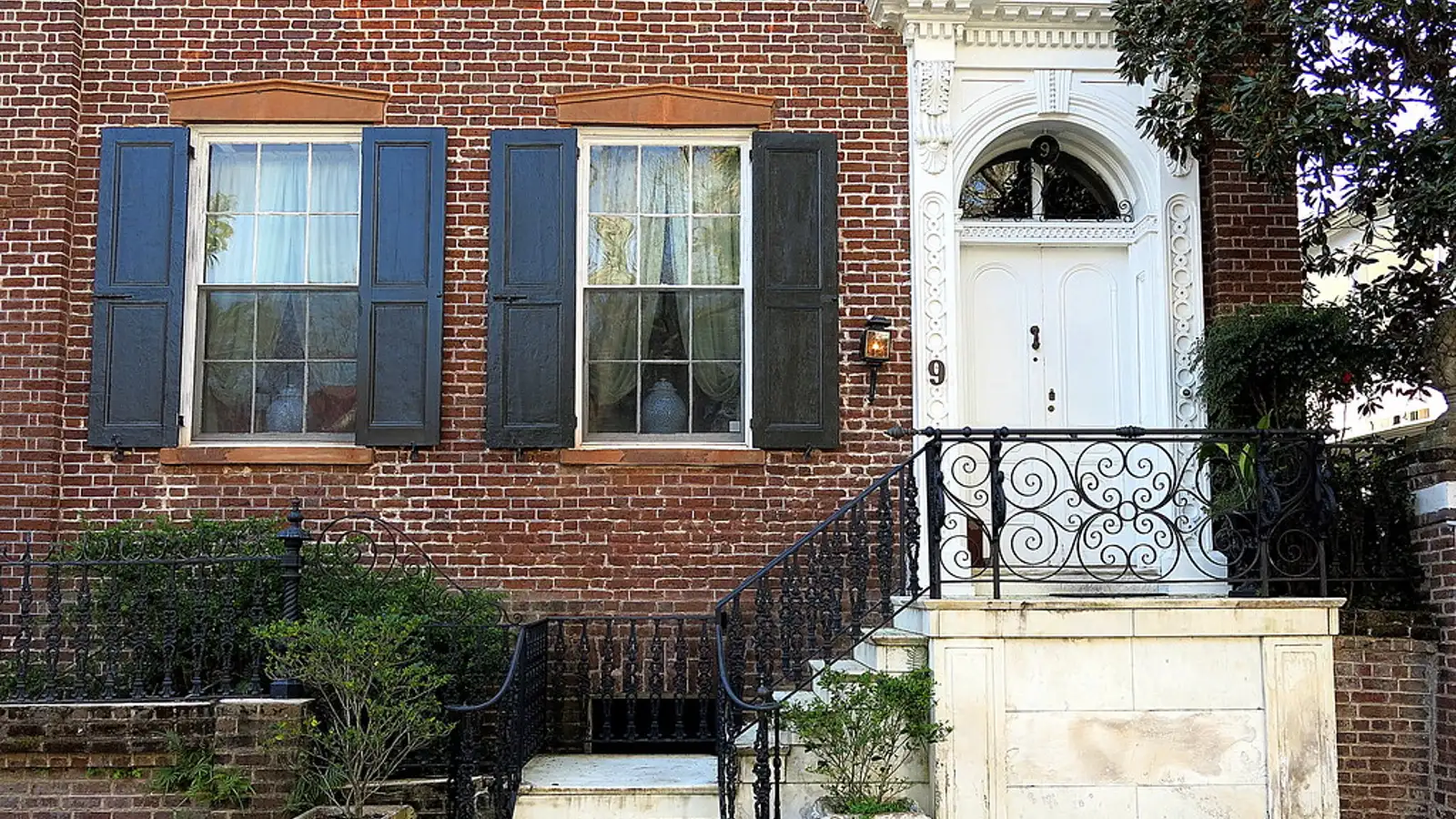
How much do freehold townhomes cost in the GTA right now?
Prices have softened. In TRREB’s October 2026 MLS® Home Price Index, the townhouse benchmark for the TRREB area was $662,200, down 6.64% year over year. In Ajax it was $618,300, down 3.20%. The benchmark describes a “typical” home and covers both freehold and condo townhouses, so a three-bedroom freehold with a garage in Mississauga or Oakville will usually sell above it.
The wider market tells the same story. According to TRREB’s October 2026 news release, GTA sales fell 7.9% year over year to 5,603, the average selling price fell 2.7% to $1,024,108, and the composite benchmark was down 4.3%.
Borrowing costs moved the other way. On October 28, 2026, the Bank of Canada raised its policy rate to 2.5%, its first increase since July 2023. Its next decision is December 9, 2026. Variable-rate buyers should stress-test their budget for further increases. Our home affordability calculator lets you try different rates against your income.
What does it cost to buy a $900,000 freehold townhome? A worked example
Here is the cash you would need for a $900,000 freehold townhome in Mississauga or Ajax. Neither city charges a municipal land transfer tax.
1. Minimum down payment
Federal rules require 5% of the first $500,000 and 10% of the portion above $500,000 (up to $1.5 million):
- 5% × $500,000 = $25,000
- 10% × $400,000 = $40,000
- Minimum down payment: $65,000. With less than 20% down, you’ll also pay mortgage default insurance, which is added to the loan.
2. Ontario land transfer tax
Using the provincial brackets published by Ontario.ca:
- 0.5% on the first $55,000 = $275
- 1.0% on $55,000–$250,000 = $1,950
- 1.5% on $250,000–$400,000 = $2,250
- 2.0% on $400,000–$900,000 = $10,000
- Total: $14,475
Eligible first-time buyers can claim a refund of up to $4,000, which brings the tax down to $10,475. If the same townhome were in the City of Toronto, you would also pay the municipal land transfer tax, which roughly doubles the bill. Toronto offers its own first-time buyer rebate.
3. The rest of closing
Add legal fees, title insurance, a home inspection, adjustments for prepaid property tax and utilities, and moving costs. Our closing costs checklist for Ontario buyers lists each one so nothing surprises you on closing day.
What are the pros and cons of a freehold townhome?
Pros
- No condo fees (unless it’s a POTL), so your monthly cost is mortgage, property tax, insurance and utilities.
- Control. You decide when to replace the roof, what colour to paint the door and whether to finish the basement, within municipal bylaws.
- Land. Over time, land is a large part of what holds value in the GTA, and with a freehold you own it.
- More space for the price than a detached house, usually with a yard and often a garage.
Cons
- No reserve fund. A $15,000 roof is your bill, so budget for it yourself.
- Shared walls. Noise travels, and work on a party wall or a shared roofline may need your neighbour’s cooperation.
- Limited additions. Narrow lots and attached neighbours make it hard to build out or up.
- You do the chores. That includes snow, lawn and eavestroughs, unless a POTL fee covers some of them.

Freehold townhome checklist: what to verify before you firm up
Most problems with freehold townhomes show up in the paperwork, not the kitchen. Make your offer conditional long enough for your lawyer and inspector to check these items. Our guide to conditional vs firm offers in Ontario explains how to structure that.
- Confirm the ownership type. Is it true freehold, POTL or condo? The legal description and the listing’s fee line will tell you.
- Get the survey. Check lot lines, fences and whether the driveway or walkway crosses a neighbour’s lot.
- Search the title for easements and rights-of-way. Interior-unit townhomes often have a registered right-of-way so neighbours can reach their backyards through yours.
- Look at the party walls. Ask about the firewall, sound transfer and any shared-roof or shared-drain arrangements.
- For a POTL, review the status certificate. Check the fee, reserve fund, budget and any pending special assessments or lawsuits.
- Inspect the roof, windows, furnace and grading. They’re all your responsibility from closing day.
- For new builds, confirm Tarion enrolment. Tarion’s freehold warranty includes seven years of coverage for major structural defects from possession.
- Check rental and parking rules if you plan to rent the basement or park a second car. City bylaws, and for a POTL the declaration, may limit both.
Freehold townhome FAQ
Do freehold townhomes have maintenance fees?
True freehold townhomes have no monthly fees. POTL townhomes do, because each lot is tied to a common elements condominium that maintains shared areas such as a private road.
Is a freehold townhouse a good investment?
It depends on price, location and how long you hold it. You own the land and carry no condo fees, which helps. But in October 2026, townhouse benchmarks were lower than a year earlier, so buy for the long term and don’t count on quick appreciation.
Can I get a mortgage on a freehold townhouse with 5% down?
Yes, as long as the price allows it. Federal rules set the minimum at 5% of the first $500,000 and 10% of the rest up to $1.5 million, and anything under 20% down needs mortgage default insurance.
Who is responsible for a shared wall between freehold townhomes?
Generally, each owner is responsible for their side of the party wall, but the exact arrangement depends on what’s registered on title. Have your lawyer review it before closing.
Thinking about a freehold townhome?
Whether you’re looking in Mississauga or buying a home in Ajax, Amir Rehmani can pull recent townhome sales for the streets you’re considering, help you tell a true freehold from a POTL, and help you write an offer with the right conditions. Reach out when you’re ready to start.
Check the title and the numbers before you firm up.
Tell us the townhomes you’re considering and we will pull recent sales, flag any POTL fees and work out your cash to close, with no obligation.
Local expertise
Explore the Communities. Understand the Market.


Your next chapter begins here
Your Property Deserves a More Considered Approach.
Know its market position. Understand your options. Plan your next move.
Request Your Free Home Evaluation